

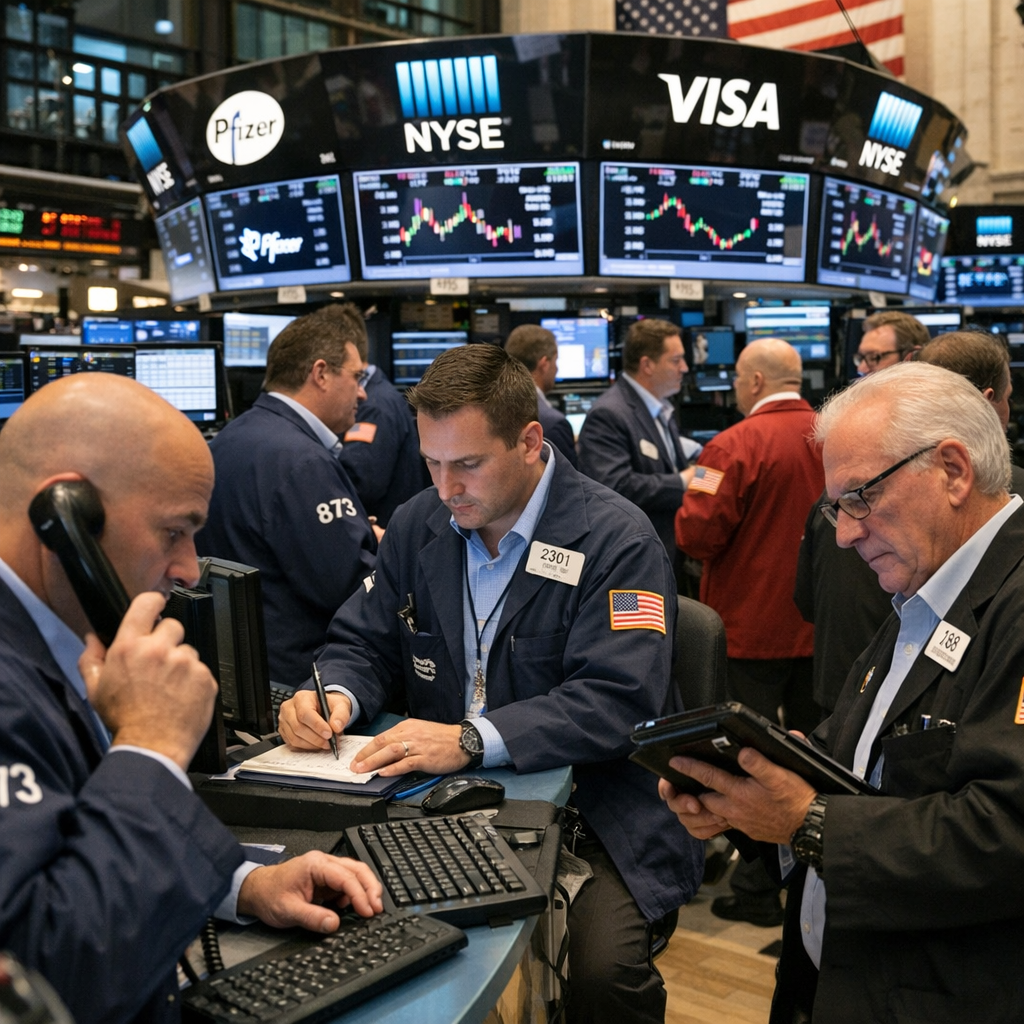
The United States economy has recently exhibited a mix of resilience and challenges, reflecting the complex interplay of domestic policies and global events.
Economic Growth and Consumer Spending
In the second quarter, the U.S. economy expanded at a 3% annual pace, rebounding from a first-quarter decline. This growth was bolstered by a significant drop in imports and a modest increase in consumer spending. However, underlying indicators suggest that consumers and businesses remain cautious due to ongoing economic uncertainties.
Impact of Tariffs and Trade Policies
The administration’s implementation of tariffs has introduced volatility into the economic landscape. While intended to protect domestic industries, these measures have led to increased costs for consumers and businesses, contributing to inflationary pressures and affecting spending behaviors.
Labor Market Dynamics
The labor market has shown signs of strain, with recent reports indicating job losses in certain sectors. This trend raises concerns about the sustainability of employment growth and the overall health of the job market.
Inflation and Energy Prices
Inflation has been a persistent issue, with recent data showing a rise in consumer prices. Notably, gasoline prices have surged, impacting household budgets and consumer confidence. These increases are partly attributed to geopolitical tensions affecting global oil supply.
Political Landscape and Economic Policy
Political developments continue to influence economic policy and market sentiment. Recent fundraising efforts by political parties underscore the high stakes of upcoming elections, which could lead to shifts in economic strategies and priorities.
As the nation navigates these economic currents, staying informed and adaptable will be crucial for individuals and businesses alike.